Struggling to write SEO content that actually ranks on Google?
This guide shows you how to use ChatGPT to generate titles, meta descriptions, outlines, and FAQs — step-by-step.
📌 Save this guide — use it whenever you create SEO content.
📍 Table of Contents
1. Introduction: Why SEO + AI Is a Powerful Combination
2. How ChatGPT Fits Into Modern SEO Workflows
3. Keyword Integration Strategy for AI-Generated Content
4. Semantic SEO and NLP Prompting Method
5. The E-E-A-T Factor: How to Humanize AI Content
6. Prompt Framework for Generating High-CTR SEO Blog Titles
7. Meta Description Prompt Templates for Higher Click-Through Rates
8. How to Generate SEO-Friendly Blog Outlines Using ChatGPT
9. Advanced Prompt Chaining for Creating Long-Form Content
10. Creating SEO – Optimized FAQs Using ChatGPT
11. Local SEO: Using ChatGPT for “Near Me” Search Optimization
12. Complete SEO Content Workflow Using ChatGPT
13. Advanced SEO Prompt Systems (Elite Layer)
14. Technical SEO Support: Robots.txt, Schema Markup & Redirects
15. Common Mistakes When Using ChatGPT for SEO Content
16. Human Editing Checklist for AI-Generated SEO Content
17. Will AI Replace SEO Writers? Understanding the Future
18. SEO Performance Metrics: How to Measure Content Success
19. The Final Authority Move: Building a Sustainable SEO System
20. Case Study: Transforming Basic Content Into an SEO – Optimized Guide
21. Final Conclusion: Using AI Strategically for Long-Term SEO Growth
🚀 Introduction: Why SEO + AI Is a Power Combination
Search Engine Optimization (SEO) has always been about helping people find the information they are searching for. When someone types a question into Google, the search engine tries to deliver the most useful and relevant page.
For many years, creating SEO content required a lot of manual work. Writers had to research keywords, study competitors, structure articles, and carefully optimize every section.
Today, artificial intelligence tools like ChatGPT have changed how content can be created.
But here is something important to understand:
AI does not replace SEO strategy.
Instead, it amplifies the work of people who understand SEO properly.
When used correctly, ChatGPT can help you:
• Generate high-click blog titles
• Write strong meta descriptions
• Create structured long-form outlines
• Build FAQ sections that rank in search results
• Integrate keywords naturally into content
• Speed up the content creation workflow
However, if someone simply asks ChatGPT to “write an SEO blog,” the results are often generic and weak.
The real power comes from structured prompting.
This guide will show you how to use ChatGPT step-by-step to create SEO-friendly content while keeping human control over strategy, clarity, and quality.
🤖 How ChatGPT Fits Into Modern SEO Workflows
Before using AI for SEO, it helps to understand how content is usually created.
Traditional SEO writing usually follows this process:
1. Keyword research
2. Search intent analysis
3. Competitor research
4. Content planning
5. Writing the article
6. Keyword optimization
7. Adding FAQs
8. Editing and publishing
AI tools do not replace these steps. Instead, they help accelerate many of them.
For example, ChatGPT can:
• Suggest title ideas based on keywords
• Create detailed article outlines
• Draft structured explanations
• Generate related questions readers might ask
Think of ChatGPT as a smart assistant that helps writers move faster.
The human role is still essential because people must:
• Choose the right keyword
• Understand the audience
• Edit the content for clarity
• Add real insights and examples
When humans guide AI correctly, the combination becomes extremely powerful.
💡 Pro Tip: ChatGPT is not a replacement for SEO — it is a tool to execute SEO faster and smarter.
👉 New to prompt writing? Start here →
🔑 Keyword Integration Strategy for AI-Generated Content
Keywords are the foundation of SEO.
A keyword represents the phrase people type into search engines when they are looking for information.
For example:
• “ChatGPT SEO prompts”
• “How to write SEO blog titles”
• “Meta description examples”
Instead of randomly placing keywords throughout an article, modern SEO focuses on natural integration.
ChatGPT can help improve this process.
Example prompt:
Rewrite this section to naturally include the keyword "ChatGPT SEO prompts".
Avoid keyword stuffing and maintain smooth readability.
This helps the AI place keywords naturally without harming the reading experience.
Search engines increasingly focus on quality and relevance, so natural language is essential.
⚠️ Common Mistake: Stuffing keywords without context can harm rankings instead of improving them.
⭐
Strong keyword usage means:
• Natural placement (no stuffing)
• Use in headings (H2, H3)
• Include in intro + conclusion
• Add related keywords (semantic SEO)
🧠 Semantic SEO and NLP Prompting Method
Modern search engines do not just analyze keywords.
They also analyze context and topic depth.
This concept is often called Semantic SEO.
For example, an article about ChatGPT and SEO might include related ideas such as:
• AI writing tools
• keyword research
• search intent
• meta descriptions
• content optimization
ChatGPT can help expand topics by suggesting related subtopics.
Example prompt:
List semantically related topics for the keyword "ChatGPT for SEO".
Group them into beginner, intermediate, and advanced sections.
This approach improves topical authority, which helps search engines understand that a page fully covers a subject.
👉 Want to understand frameworks deeply?Read →
⭐
Semantic SEO focuses on:
• Meaning, not just keywords
• Related terms and context
• User intent behind search
• Natural language structure
⭐ The E-E-A-T Factor: How to Humanize AI Content
Search engines increasingly prioritize the E-E-A-T framework, which stands for:
• Experience
• Expertise
• Authoritativeness
• Trustworthiness
This concept helps search engines determine whether a piece of content is genuinely useful and reliable.
AI tools can generate structured information quickly, but they often struggle with real-world experience. For example, ChatGPT can explain how SEO works, but it cannot truly describe what it feels like to run a blog, analyze traffic drops, or test different optimization strategies over time.
This is where human input becomes essential.
To strengthen E-E-A-T in AI-assisted content, writers should add:
• Personal insights or observations
• Real examples from projects or experiments
• Case studies showing results
• Honest explanations of challenges and mistakes
These elements signal to readers and search engines that the content is not just automated text—it is informed by real understanding.
You can also guide AI to write in a more experienced voice by using structured prompts.
Example prompt:
Rewrite this section from the perspective of an SEO professional who has worked in content marketing for several years. Include a practical example or short anecdote showing real experience.Another important step is fact-checking AI output. AI sometimes produces confident but inaccurate statements, often called “hallucinations.” Always verify statistics, claims, and technical advice before publishing.
When AI structure is combined with human experience and verification, the result is content that aligns strongly with the E-E-A-T principles.
📝 Prompt Framework for Generating High-CTR SEO Blog Titles
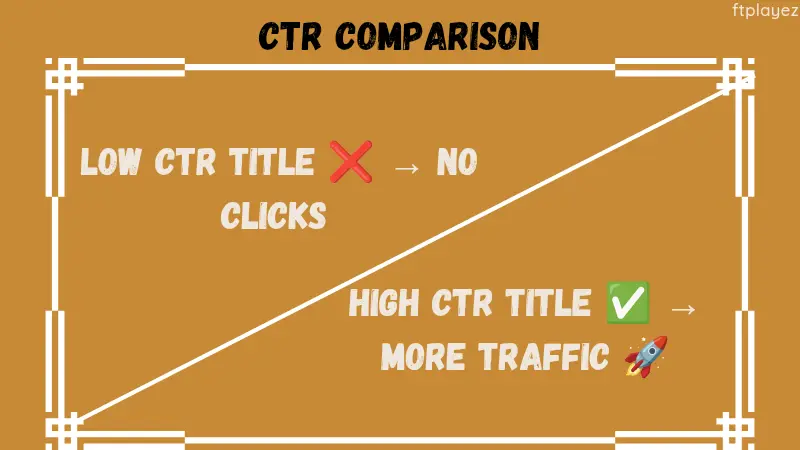
Blog titles are extremely important because they affect two things:
1. Search engine understanding
2. Click-through rate (CTR)
A good title must be clear, relevant, and engaging.
Instead of asking ChatGPT for random titles, it is better to provide structure.
Example prompt framework:
Act as an SEO strategist.

Generate 10 blog titles targeting the keyword:
"ChatGPT SEO prompts".

Keep titles under 60 characters.
Focus on clarity and usefulness.
Avoid clickbait.
This prompt produces titles that are optimized for search engines and readers.
🎯 High-CTR SEO Title Prompt Templates
Here are a few useful prompt styles that produce different kinds of titles.
Problem-Solving Titles
Generate blog titles that focus on solving beginner problems related to ChatGPT and SEO.Educational Titles
Create clear and educational blog titles explaining how ChatGPT can help with SEO writing.Guide-Based Titles
Generate titles that position the article as a complete guide for beginners learning ChatGPT for SEO.Each style targets a different type of reader intent.
🚀 Quick Win: Small improvements in titles can significantly increase click-through rate (CTR).
⭐
High-performing titles include:
• Power words
• Numbers or clarity
• Clear benefit
• Curiosity gap
👉 Want ready-to-use SEO prompts
Check out my complete prompt pack — designed to save hours of content creation.
📄 Meta Description Prompt Templates for Higher Click – Through Rates
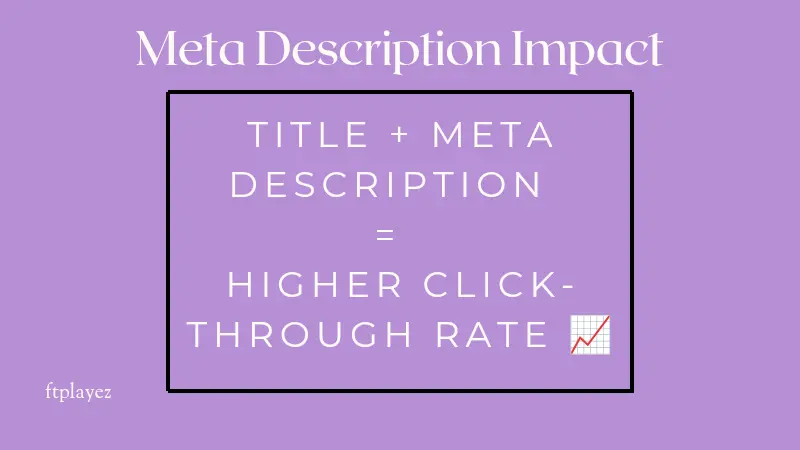
Meta descriptions are the small summaries shown in search results.
They help users decide whether to click on a page.
While they do not directly improve rankings, they influence click-through rate.
A good meta description should:
• Be under about 155 characters
• Include the main keyword naturally
• Explain the benefit of the article
Example prompt:
Write 5 meta descriptions for an article about ChatGPT SEO prompts.
Keep them under 155 characters and make them clear and informative.
✍️ Meta Description Generator Prompts
You can also ask ChatGPT to generate multiple variations for testing.
Example prompt:
Create 5 benefit-focused meta descriptions and 5 curiosity-driven meta descriptions for the keyword "ChatGPT SEO prompts".This allows you to compare which style attracts more clicks.
⭐
A strong meta description:
• Summarizes the content
• Includes target keyword
• Adds a call-to-action
• Creates curiosity
🗂 How to Generate SEO-Friendly Blog Outlines Using ChatGPT
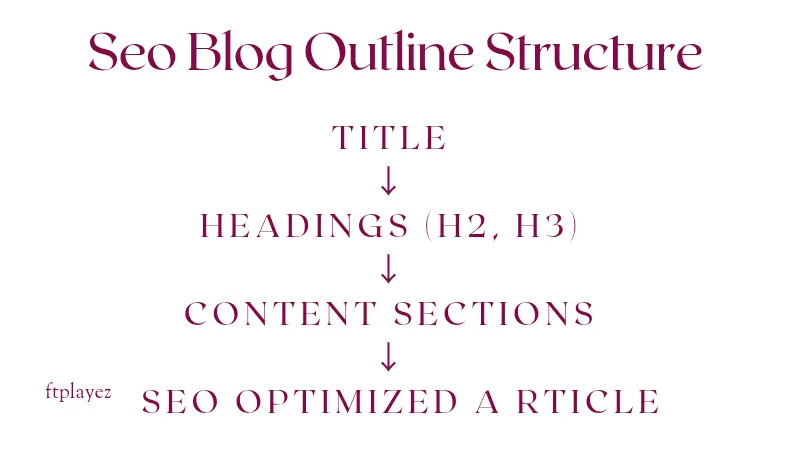
Outlines help structure articles clearly.
A well-structured outline makes writing faster and helps readers follow the content.
Instead of writing headings manually, ChatGPT can help generate a logical structure.
Example prompt:
Create a long-form blog outline targeting the keyword "ChatGPT for SEO content".
Include an introduction, main sections, subtopics, FAQs, and a conclusion.
The AI will usually generate a structured outline with multiple headings.
📚 Long-Form Outline Prompt Templates
For deeper articles, you can request a more detailed structure.
Example prompt:
Create a detailed 3000-word article outline explaining how bloggers can use ChatGPT for SEO content creation.
Include practical examples and beginner explanations.
This type of prompt helps generate in-depth articles instead of shallow content.
⭐
A good outline ensures:
• Logical content flow
• Proper heading structure
• Easy readability
• Better SEO ranking
🔗 Advanced Prompt Chaining for Creating Long-Form Content
Many beginners try to generate a full article using a single large prompt. While this can produce quick results, it rarely creates the most detailed or organized content.
Professional users often rely on a technique called prompt chaining.
Prompt chaining means breaking the content creation process into multiple smaller prompts that build on each other.
Instead of asking for everything at once, you guide the AI step by step.
Step 1: Research Prompt
First, ask the AI to analyze the topic and gather supporting ideas.
Example:
List the most important subtopics someone should understand when learning how to use ChatGPT for SEO content.This creates the knowledge foundation for the article.
Step 2: Section-by-Section Drafting
Next, generate individual sections based on the outline.
Example:
Write a beginner-friendly explanation of how ChatGPT can help generate SEO blog titles. Use simple language and clear examples.Working section by section improves clarity and depth.
Step 3: Transition and Flow
Finally, connect the sections so the article reads smoothly.
Example:
Write a short transition paragraph connecting the section about blog titles to the next section about meta descriptions.This step adds “connective tissue” between ideas.
Prompt chaining allows you to maintain control over the structure, which leads to longer, more organized articles that feel intentional rather than randomly generated.
💡 Pro Tip: High-performing SEO content is rarely generated in one prompt — it is built step-by-step.
👉 Want full templates and advanced systems?Explore →
❓ Creating SEO – Optimized FAQs Using ChatGPT
FAQ sections are valuable for both readers and search engines.
They help answer common questions that users often search for.
Search engines also display many FAQ answers in the People Also Ask section.
ChatGPT can generate useful questions.
Example prompt:
Generate 10 frequently asked questions about ChatGPT and SEO writing.
Focus on beginner confusion and practical use cases.
💡 FAQ Generator Prompts for Featured Snippets
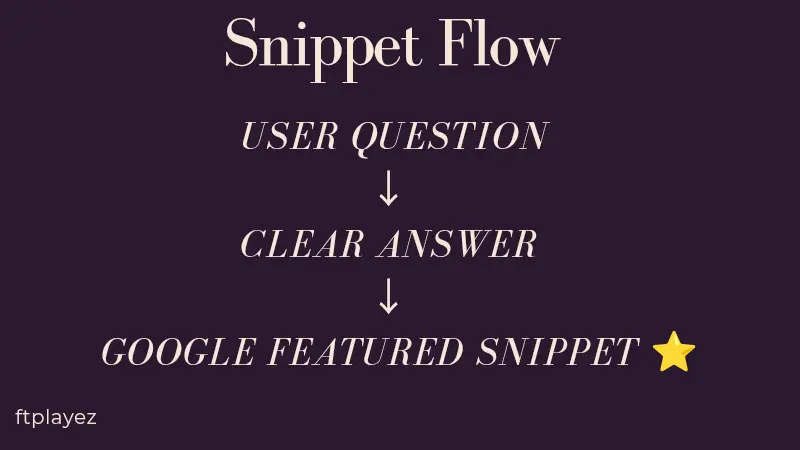
To improve the chances of appearing in featured snippets, answers should be concise.
Example prompt:
Generate short FAQ answers about ChatGPT SEO prompts.
Each answer should be between 40 and 60 words.
Short, clear answers increase the chances of being displayed directly in search results.
⭐
FAQs help in:
• Answering user queries
• Improving SEO visibility
• Getting featured snippets
• Increasing time on page
📍 Local SEO: Using ChatGPT for “Near Me” Searches
Another powerful but often overlooked application of AI in SEO is local search optimization.
Local SEO focuses on queries where users are searching for services or information in a specific geographic area, such as:
• “best coffee shop near me”
• “digital marketing agency in Delhi”
• “football academy in Indore”
ChatGPT can help generate local SEO content that targets these searches.
For example, it can assist in writing descriptions for business listings.
Example prompt:
Write a Google Business Profile description for a digital marketing agency located in Indore that specializes in SEO and content marketing.You can also generate location-specific landing pages.
Example prompt:
Create an outline for a landing page targeting the keyword "SEO services in Indore." Include local trust signals and service descriptions.Another helpful trick is asking AI to identify local landmarks or regional references that make content feel geographically relevant.
Example:
List well-known landmarks and neighborhoods in Indore that could be referenced naturally in a local business webpage.These small details help search engines associate the content with a specific location, improving visibility for local queries.
⚙️ Complete SEO Content Workflow Using ChatGPT
When combined properly, ChatGPT can support a full SEO content workflow.
A simple system might look like this:
1. Choose a keyword
2. Analyze search intent
3. Generate blog title ideas
4. Create an outline
5. Draft sections
6. Add FAQ questions
7. Optimize keyword placement
8. Write meta description
9. Edit the final article
This structured process helps maintain both efficiency and quality.
⭐
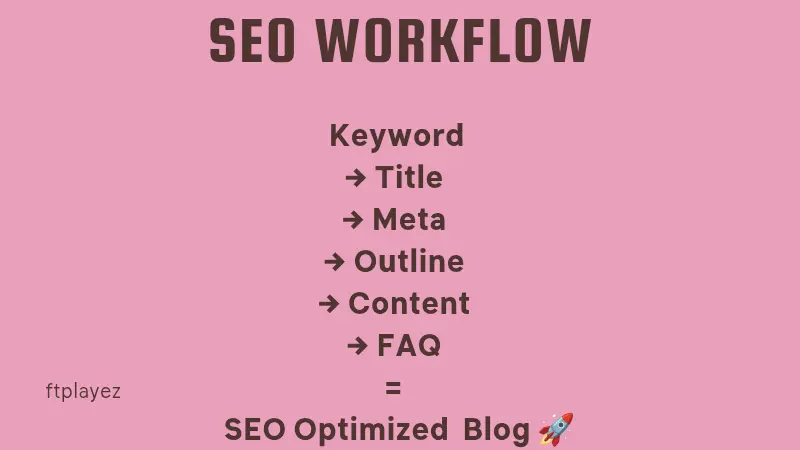
SEO workflow includes:
• Keyword research
• Title creation
• Meta writing
• Content structuring
• Optimization + publishing
🧩 Advanced SEO Prompt Systems (Elite Layer)
More advanced users often create prompt systems instead of single prompts.
A prompt system combines multiple instructions together.
Example:
Act as an SEO strategist.

Create a blog outline targeting the keyword "ChatGPT SEO prompts".
Audience: beginner bloggers.
Content length: 2500+ words.
Include FAQs, examples, and a structured conclusion.
This approach gives the AI clear direction and produces better results.
🛠 Technical SEO Support: Robots.txt, Schema Markup & Redirects
SEO is not only about writing articles. Technical elements also help search engines understand and organize a website.
AI tools can assist with many basic technical SEO tasks.
One example is schema markup, which provides structured information about a page.
Schema can help search engines display enhanced results such as rich snippets or FAQ sections.
Example prompt:
Generate JSON-LD schema markup for an FAQ section about ChatGPT SEO prompts.ChatGPT can also help generate a simple robots.txt file, which tells search engine crawlers which parts of a website should or should not be indexed.
Example prompt:
Create a basic robots.txt structure for a blog website that allows search engines to crawl all content but blocks the admin area.Another useful technical task is generating redirect rules when pages change.
Example prompt:
Write a redirect rule that sends traffic from an old blog URL to a new updated version of the article.While technical implementations should always be reviewed before deployment, AI can significantly speed up the process of creating these structures.
⚠️ Common Mistakes When Using ChatGPT for SEO
Many beginners make similar mistakes when using AI tools.
Publishing Raw AI Content
AI output should always be reviewed and edited by humans.
Ignoring Search Intent
Content must match what readers actually want.
Overusing Keywords
Keyword stuffing reduces readability and can harm SEO.
Lack of Original Insight
Adding personal explanations and examples improves trust and authority.
👉 Making mistakes with prompts?Fix them here →
⭐
Avoid these mistakes:
• Keyword stuffing
• No structure
• Ignoring user intent
• Publishing without editing
✅ Human Editing Checklist for AI-Generated SEO Content
Before publishing an article generated with AI assistance, it is helpful to review several points:
• Does the introduction clearly explain the topic?
• Are headings logically organized?
• Is the language easy to understand?
• Are keywords used naturally?
• Are examples helpful for beginners?
Editing ensures that AI-assisted content still feels human and trustworthy.
🤔 Will AI Replace SEO Writers? Understanding the Future
This is a common question.
The short answer is no.
AI tools like ChatGPT assist with research, structure, and drafting. However, strong SEO content still depends on human creativity, strategy, and understanding of audience needs.
Writers who learn how to use AI effectively will likely become more productive and more valuable, not less.
📊 SEO Performance Metrics: How to Measure Content Success
After publishing content, it is important to measure performance.
Writers often use tools like Google Search Console and Google Analytics to track results.
Important metrics include:
• Click-through rate
• Impressions
• Time on page
• Keyword rankings
Monitoring these metrics helps improve future articles.
⭐
Track these metrics:
• Click-through rate (CTR)
• Bounce rate
• Time on page
• Keyword rankings
🏆 The Final Authority Move: Building a Sustainable SEO System
Successful SEO creators do not rely on luck. They build repeatable systems.
Using AI tools strategically allows writers to create structured, useful content more efficiently.
However, the strongest advantage still comes from understanding the audience and delivering genuine value.
When strategy and technology work together, content becomes both scalable and meaningful.
📌 Save This Page for Later
This is not just a blog — it’s your SEO system.
Use it whenever you need:
• Better titles
• Stronger meta descriptions
• Clear blog outlines
• Optimized content structure
👉 Bookmark this page and use it as your SEO reference.
📈 Case Study: A Before-and-After SEO Content Transformation
To understand the impact of structured prompting, consider a simple example.
Imagine a basic 300-word product description for an AI writing tool. The content might briefly explain the product features but lack depth, examples, or SEO structure.
Using the strategies described in this guide, the content could be expanded significantly.
First, the semantic SEO prompt adds related subtopics such as use cases, comparisons, and workflow examples.
Next, the outline prompt restructures the article with clear headings.
Then, FAQ prompts introduce common user questions.
Finally, prompt chaining helps expand each section into detailed explanations.
The result might be a 1200-word or longer guide that includes:
• A structured introduction
• Clear explanations of features
• Real-world use cases
• Frequently asked questions
• SEO-friendly headings
Instead of being a short product description, the content becomes a helpful resource that answers multiple user queries.
This transformation demonstrates how thoughtful prompting can turn simple AI output into a comprehensive piece of content that is far more valuable for readers and search engines.
❓ Frequently Asked Questions
❓ How can ChatGPT help with SEO content?
ChatGPT helps generate titles, meta descriptions, outlines, FAQs, and content faster.When used correctly, it improves efficiency while maintaining SEO structure.
❓ Is AI-generated content good for SEO?
Yes, if it is properly structured, edited, and aligned with user intent.Raw AI content should always be refined before publishing.
❓ How do I write SEO-friendly titles using ChatGPT?
Use prompts that include target keywords, user intent, and clear benefits.Adding numbers or power words can increase click-through rate.
❓ What is the best way to create SEO blog outlines?
Ask ChatGPT to generate structured outlines using H2 and H3 headings.Ensure logical flow and keyword placement.
❓ Can ChatGPT replace SEO writers?
No. It is a tool that enhances productivity.Human editing, strategy, and creativity are still essential.
❓ How do FAQs help in SEO?
FAQs improve visibility, answer user queries, and increase chances of appearing in featured snippets.
🚀 Quick Win: SEO success comes from consistency — not just one optimized blog, but a complete system.
🎯 Final Conclusion: Using AI Strategically for Long-term SEO Growth
ChatGPT can dramatically improve the speed and structure of SEO content creation, but it is most powerful when guided by clear strategy.
By combining keyword research, structured prompting, semantic SEO, and careful human editing, writers can create content that is helpful for readers and optimized for search engines.
AI is not a replacement for thoughtful content creation. Instead, it is a tool that amplifies the skills of creators who know how to use it wisely.
When used with intention and clarity, ChatGPT becomes a powerful partner in building high-quality SEO content that attracts, educates, and grows an audience.
But here is the real shift:
SEO is no longer just about writing articles.
It is about building systems.
Systems for:
• Generating ideas
• Structuring content
• Optimizing for search
• Improving performance over time
When you understand this, everything changes.
You stop guessing what might rank.
You start creating content with purpose.
You move from publishing randomly → to building assets strategically.
Now the next step is simple:
Don’t just read this guide.
Apply it.
Create one blog using this system. Test it. Improve it. Track it.
Because long-term SEO success doesn’t come from doing more…
It comes from doing it better, consistently.
👉 Use AI as a tool — but think like a strategist.